
Introduction
In the modern construction landscape, steel structures have emerged as a cornerstone of quality, durability, and efficiency. As cities expand and the demand for robust, sustainable buildings increases, companies like Lida Group have stepped into the spotlight, offering innovative solutions that not only meet but exceed industry standards. This article delves into the world of steel structure workshops by Lida Group, exploring their significance in construction, the processes involved, and the myriad of benefits they provide.
Understanding Steel Structures
What Are Steel Structures?
Steel structures are buildings or frameworks made primarily from steel. This material is known for its high tensile strength, durability, and versatility, making it ideal for various construction applications. Steel structures can range from simple warehouses to complex high-rise buildings, offering a robust solution that withstands the test of time.
The Rise of Steel in Construction
The use of steel in construction has gained momentum due to several factors:
- Strength and Durability: Steel’s strength allows for larger spans and taller structures without the need for excessive support. It is also resistant to many environmental factors, such as fire, corrosion, and pests.
- Sustainability: Steel is 100% recyclable, making it an environmentally friendly choice. Its longevity also means that structures require less frequent replacement or repair.
- Speed of Construction: Prefabricated steel components can be quickly assembled on-site, reducing construction time significantly compared to traditional materials like wood or concrete.
The Role of Lida Group in Steel Structure Workshops
Overview of Lida Group
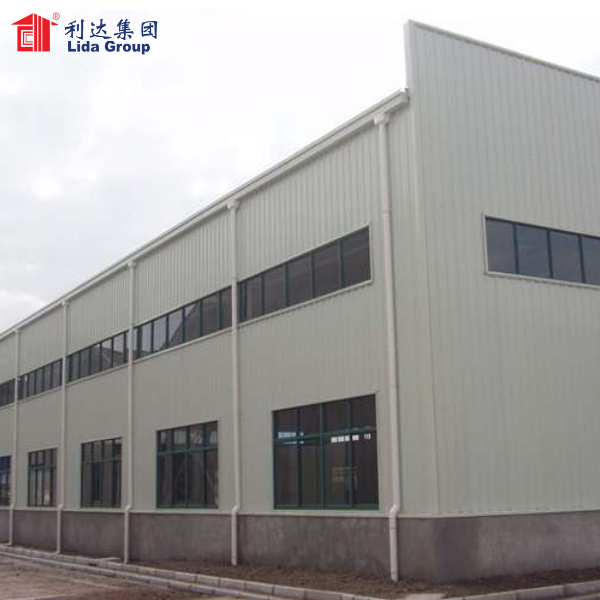
Lida Group is a leading provider of modular construction solutions, renowned for its commitment to quality and innovation. With decades of experience, the company specializes in prefabricated steel structures, offering a range of products that cater to various industries, including residential, commercial, and industrial sectors.
Steel Structure Workshops: A Pillar of Quality
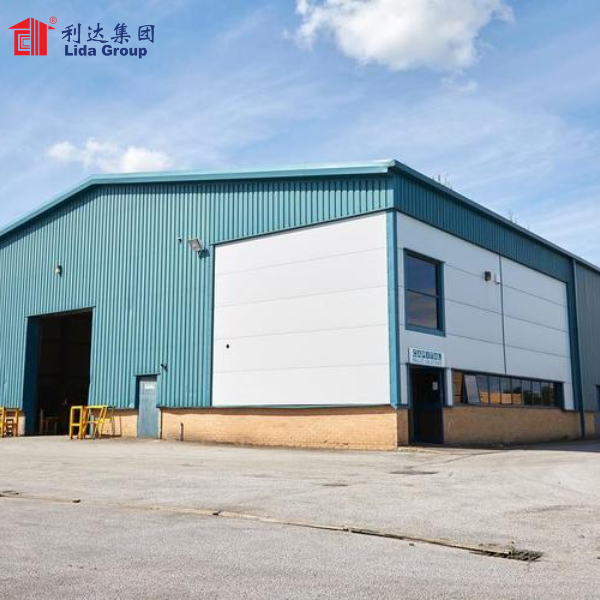
Lida Group operates state-of-the-art steel structure workshops that embody the principles of quality craftsmanship, efficiency, and sustainability. These workshops are designed to streamline the manufacturing process, ensuring that every component meets the highest standards.
Key Features of Lida Group’s Workshops
- Advanced Technology: The workshops are equipped with cutting-edge machinery and technology, allowing for precise fabrication and assembly of steel components.
- Skilled Workforce: Lida Group employs a team of experienced engineers, architects, and craftsmen who ensure that every project is executed to perfection.
- Quality Control: Rigorous quality control measures are implemented throughout the manufacturing process, from raw material selection to final inspections, ensuring that each product meets industry regulations and standards.
The Steel Structure Fabrication Process
1. Design Phase
The process begins with the design phase, where architects and engineers collaborate to create detailed plans for the steel structure. This phase involves:
- Structural Analysis: Engineers perform calculations to determine the load-bearing capacity and stability of the design.
- 3D Modeling: Advanced software is used to create 3D models of the structure, allowing for visualization and adjustments before fabrication begins.
2. Material Selection
Choosing the right materials is crucial for the strength and durability of the final product. Lida Group sources high-quality steel from reputable suppliers, ensuring that it meets specific standards for structural integrity and performance.
3. Cutting and Shaping
Once the materials are selected, the steel is cut and shaped according to the design specifications:
- Precision Cutting: CNC (Computer Numerical Control) machines are used for precise cutting, ensuring accuracy and consistency in dimensions.
- Shaping and Forming: Steel components are shaped using various techniques, including bending and welding, to create the required profiles and forms.
4. Assembly
After the individual components are fabricated, they are assembled in the workshop:
- Modular Assembly: Components are assembled into modules, which can then be transported to the construction site. This modular approach enhances efficiency and reduces on-site construction time.
- Quality Inspections: Each assembled module undergoes rigorous quality inspections to ensure it meets safety and performance standards before leaving the workshop.
5. Surface Treatment
To enhance durability and appearance, steel components often undergo surface treatments:
- Painting and Coating: Protective coatings are applied to prevent corrosion and improve aesthetics. Options may include galvanization, powder coating, or painting.
- Finishing Touches: Final touches may include installing insulation or other features that enhance the functionality of the steel structure.
6. Transportation and Installation
Once the steel modules are completed, they are prepared for transportation to the construction site:
- Logistics Coordination: Lida Group coordinates logistics to ensure timely delivery of components, minimizing delays in the construction schedule.
- On-Site Assembly: Skilled crews assemble the modules on-site, completing the structure efficiently and effectively.
Benefits of Steel Structure Workshops
1. Enhanced Quality Control
Lida Group’s steel structure workshops emphasize quality at every stage of production. This focus on quality control results in:
- Consistent Standards: Every component is manufactured to exact specifications, leading to high-quality finished products.
- Reduced Defects: Rigorous inspections and testing reduce the likelihood of defects, ensuring that structures are safe and reliable.
2. Time Efficiency
The prefabrication process significantly reduces construction time, offering several advantages:
- Faster Project Completion: With components manufactured off-site, on-site assembly is expedited, allowing projects to be completed faster.
- Minimized Weather Delays: Indoor fabrication protects components from weather-related delays, ensuring that timelines are met.
3. Cost Savings
Steel structure workshops contribute to overall cost savings in various ways:
- Reduced Labor Costs: The efficiency of prefabrication reduces the number of labor hours required on-site, leading to lower labor costs.
- Material Efficiency: Precise cutting and shaping of materials minimize waste, ensuring that resources are used effectively.
4. Sustainability
Lida Group’s commitment to sustainability is reflected in its steel structure workshops:
- Recyclability: Steel is a recyclable material, and Lida Group emphasizes the importance of using materials that can be repurposed at the end of their lifecycle.
- Energy Efficiency: Many steel structures are designed with energy efficiency in mind, incorporating features like insulation and energy-efficient windows.
5. Flexibility and Adaptability
One of the standout features of steel structures is their flexibility:
- Customizable Designs: The modular nature of steel structures allows for easy customization, enabling clients to tailor their buildings to specific needs.
- Future Expansion: Steel structures can be easily expanded or modified, allowing for adaptability as requirements change over time.
Applications of Steel Structures
1. Commercial Buildings
Steel structures are widely used in commercial construction due to their durability and flexibility:
- Office Buildings: Many modern office buildings utilize steel frames for their strength and ability to support large open spaces.
- Retail Spaces: Steel structures can accommodate expansive retail spaces, allowing for customizable layouts that meet the needs of businesses.
2. Industrial Facilities
Lida Group’s steel structures are ideal for industrial applications:
- Warehouses: Steel is often the material of choice for warehouses due to its strength and ability to support heavy loads.
- Manufacturing Plants: The flexibility of steel structures allows for efficient layouts that optimize workflow in manufacturing environments.
3. Residential Construction
The use of steel in residential construction is on the rise:
- Single-Family Homes: Steel frames provide durability and design flexibility, allowing for innovative residential designs.
- Multi-Family Units: Steel structures can be efficiently utilized in multi-family housing projects, providing affordable and durable living options.
4. Recreational Facilities
Steel structures are also used in recreational facilities:
- Sports Complexes: The large spans of steel allow for open spaces in gyms, arenas, and sports fields.
- Community Centers: Steel structures can accommodate various community activities, providing safe and versatile spaces for gatherings.
Challenges in Steel Structure Construction
1. Initial Costs
While steel structures offer long-term savings, the initial costs can be higher compared to traditional materials like wood:
- Material Costs: High-quality steel can be expensive, impacting upfront project budgets.
- Investment in Technology: Advanced machinery and skilled labor can also contribute to higher initial investment costs.
2. Skilled Labor Shortage
The construction industry faces a shortage of skilled labor, which can impact the quality and efficiency of steel structure projects:
- Training Needs: Investing in training programs is essential to ensure that workers are equipped with the necessary skills for steel construction.
- Attracting Talent: Companies must develop strategies to attract skilled labor to meet the growing demand for steel structures.
3. Regulatory Compliance
Navigating building codes and regulations can be challenging in steel structure construction:
- Varying Standards: Different regions may have varying codes and regulations, necessitating thorough research and compliance efforts.
- Permitting Processes: Securing permits can be time-consuming, impacting project timelines.
The Future of Steel Structure Workshops
1. Technological Advancements
The future of steel structure workshops is closely tied to technological advancements:
- Automation and Robotics: Increased automation in the fabrication process can enhance efficiency, reduce labor costs, and improve precision.
- Building Information Modeling (BIM): The adoption of BIM technology allows for improved collaboration and visualization throughout the design and construction phases.
2. Sustainable Practices
As sustainability becomes increasingly important, steel structure workshops will need to adapt:
- Green Building Standards: Emphasizing sustainable practices and adhering to green building standards will be essential for future success.
- Innovative Materials: Research into sustainable materials and construction techniques will continue to play a vital role in the evolution of steel structures.
3. Global Market Trends
The global demand for steel structures is expected to grow, driven by urbanization and infrastructure development:
- Emerging Markets: Developing countries are likely to see increased investment in steel construction, providing opportunities for companies like Lida Group.
- Innovative Applications: As industries evolve, new applications for steel structures will emerge, expanding the market for Lida Group’s offerings.
Conclusion
Lida Group’s steel structure workshops represent a commitment to quality, efficiency, and sustainability in modern construction. By leveraging advanced technology, skilled labor, and rigorous quality control, Lida Group is at the forefront of the steel construction industry.
The benefits of steel structures—ranging from cost savings and flexibility to durability and sustainability—make them an ideal choice for a wide variety of applications. As the industry continues to evolve, Lida Group is well-positioned to meet the growing demand for innovative steel solutions.
In a world where quality and efficiency are paramount, Lida Group’s dedication to crafting exceptional steel structures ensures that they will continue to play a vital role in shaping the future of construction. As we move forward, embracing these advancements will be essential for creating resilient, sustainable, and adaptable buildings that stand the test of time.
Contact Us
Post time: Oct-16-2024